
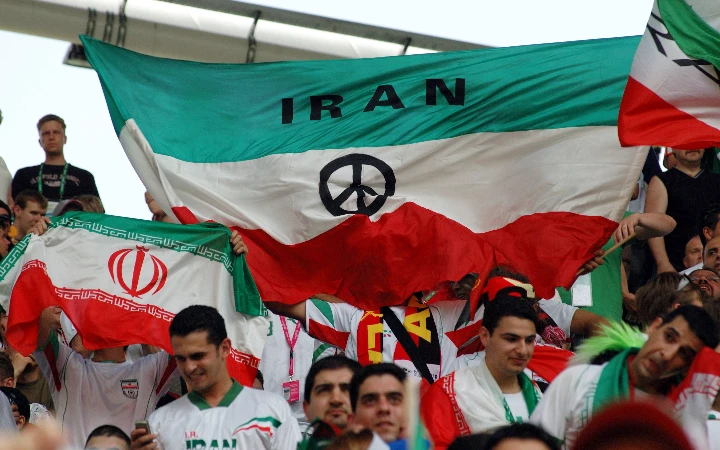
Iran Players Finally Receive US Visas Ahead of World Cup
Iran's participation in the 2026 FIFA World Cup has received a major boost after members of the national team were granted visas to enter the United States. The approval comes just days before Team Melli begin their campaign in North America.
The development ends weeks of uncertainty surrounding the squad's travel arrangements and allows the players to focus on preparations for their opening Group G fixture against New Zealand.
Visa Uncertainty Finally Eases
Iran's World Cup preparations had been overshadowed by concerns over visa approvals. Earlier this week, reports suggested the entire delegation remained in limbo despite the tournament being less than two weeks away.
United States officials confirmed that visas had been issued for the players and other essential members of the delegation. The decision arrived 10 days before Iran's first match against New Zealand in Los Angeles on June 15. The Iranian Football Federation had previously expressed frustration over delays in the process. Officials argued that the uncertainty had complicated preparations and created unnecessary distractions during a crucial period.
While players, coaches and trainers have reportedly received clearance, some administrative staff members are still waiting for their applications to be processed. Efforts to secure those remaining visas are expected to continue in the coming days.
Training Base Moved to Mexico
The visa concerns forced Iran to make significant adjustments to their World Cup plans. Their original training base in Tucson, Arizona, was abandoned in favour of Tijuana, Mexico. Iran's squad has been training in Antalya, Türkiye, before making the journey to North America. The team is expected to arrive in Tijuana, where it will continue preparations while awaiting the start of the tournament.
Officials indicated that the move was partly motivated by visa difficulties and a desire to minimise time spent in the United States. The logistical change adds another challenge for a team already navigating a complex political backdrop.
Despite the complications, FIFA maintained confidence that Iran would participate fully in the competition. The governing body had consistently expected the visa issues to be resolved before the tournament began.
Political Tensions Surround Tournament
This year's World Cup carries unique geopolitical significance. It marks the first time a host nation has welcomed a country with which it is actively engaged in a military conflict. US Secretary of State Marco Rubio recently stated that athletes and legitimate support staff would be permitted entry. However, he also warned that individuals linked to the Islamic Revolutionary Guard Corps would face additional scrutiny.
The issue has attracted considerable attention beyond football. Nevertheless, both governments have continued working through the necessary procedures to ensure the team's participation. For Iran, simply reaching the tournament remains an important sporting objective. The squad has repeatedly stressed its desire to focus on football despite the wider political circumstances.
Key Figures and Group Outlook
Iran enter the competition with ambitions of reaching the knockout rounds. Their group includes New Zealand, Belgium and Egypt. Several experienced internationals are expected to lead the challenge, including striker Mehdi Taremi. The team will hope its core players can quickly adapt to the demanding travel schedule created by the relocation to Mexico.
Iran's opening match against New Zealand will be a pivotal game in the World Cup campaign. A positive result would place them in a strong position before a difficult encounter with Belgium six days later.
What's Next?
Iran face New Zealand in Los Angeles on June 15 before returning to California for a meeting with Belgium on June 21. Their final Group G fixture comes against Egypt in Seattle on June 26. With the visa uncertainty largely resolved, attention can finally turn to football as Iran prepare for one of the most anticipated World Cups in recent memory.